
Forest Park Raleigh NC Homes for Sale & Neighborhood Guide
Explore homes for sale, market activity, historic architecture, and local real estate information for Forest Park—formerly known as Cameron Park—one of Raleigh’s distinctive Inside-the-Beltline neighborhoods.
Forest Park Raleigh Real Estate at a Glance
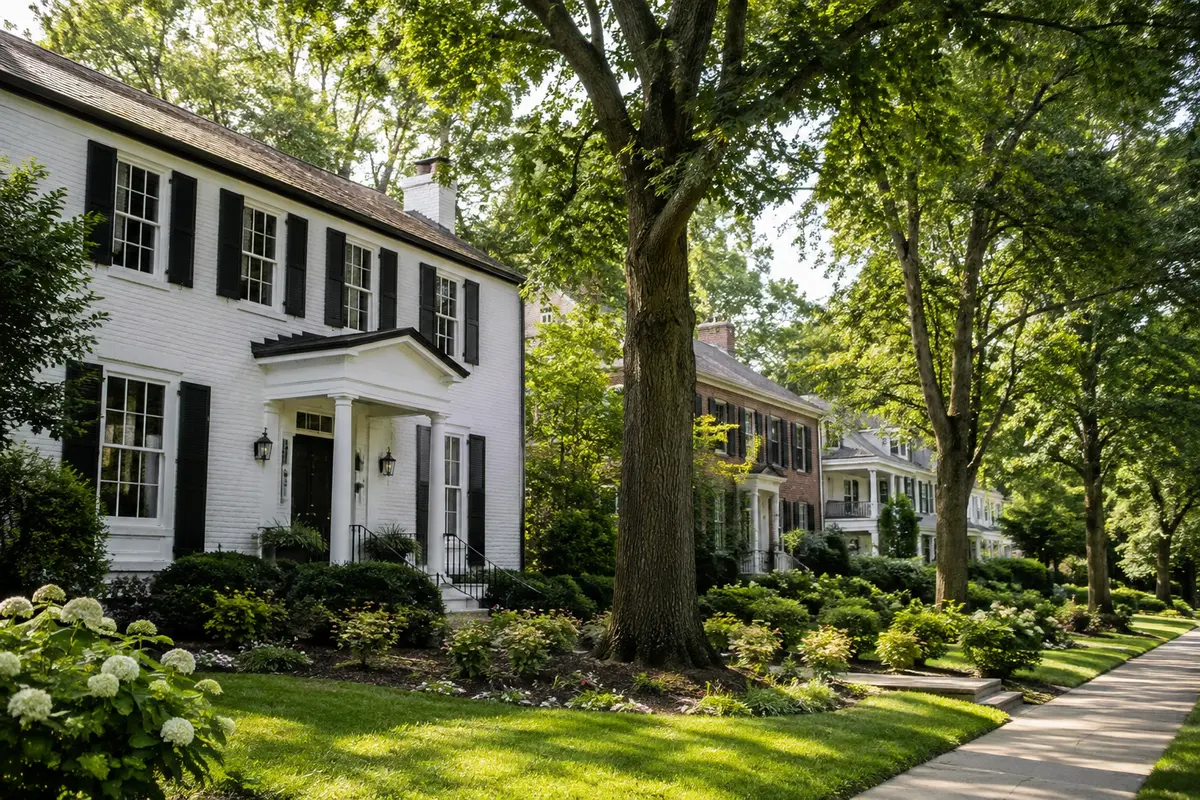
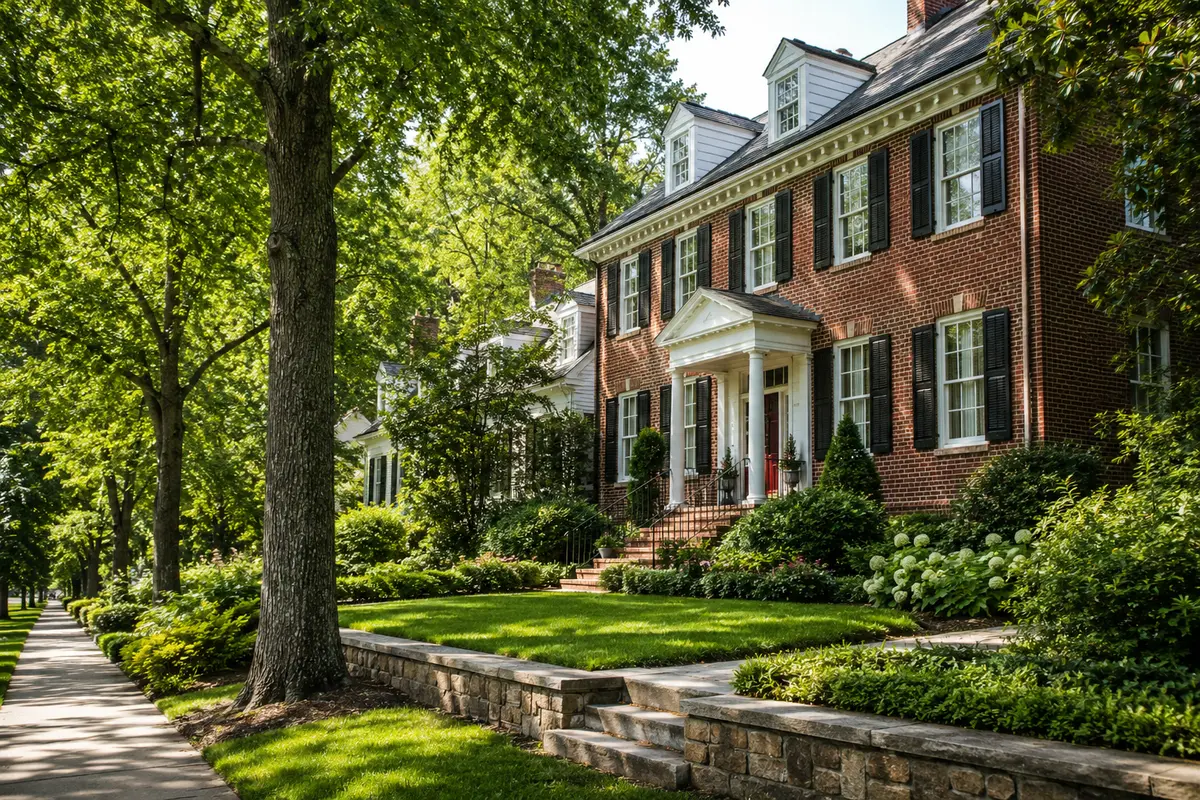
Forest Park is an established central Raleigh neighborhood known for historic homes, mature landscaping, varied topography, and convenient access to Village District, NC State University, Hillsborough Street, and downtown Raleigh.
The neighborhood was historically known as Cameron Park. In 2022, the neighborhood association adopted the name Forest Park, but the federally recognized historic district continues to appear under the Cameron Park name. Buyers may therefore see both names used in listings, property records, maps, historic documents, and older articles.
This page brings the two names together in one place. You can explore current Forest Park homes, review market activity, learn about the neighborhood’s architecture, and understand what buyers and sellers should investigate before making a decision.
Are You Buying or Selling in Forest Park?
Looking for a Forest Park home?
Considering selling your Forest Park home?
Automated estimates may not fully account for historic character, renovations, lot placement, architectural details, condition, or differences between nearby streets. A property-specific analysis can provide a more useful estimate based on relevant recent sales and your home’s individual features.
Forest Park Raleigh Homes for Sale
FOREST PARK LISTINGS
- 3D
 5 Beds 5 Baths 4,308 SqFt$1,850,000New
 - 1/29 29
 3 Beds 2 Baths 1,355 SqFt$699,000Active
 - 1/48 48
 4 Beds 3 Baths 2,397 SqFt$1,150,000Active
 - 1/29 29
 3 Beds 3 Baths 2,621 SqFt$1,325,000Active
 - 1/81 81
 5 Beds 6 Baths 6,255 SqFt$2,890,000Active
 - 1/28 28
 7 Beds 5 Baths 4,750 SqFt$2,600,000Active
 - 1/40 40
 3 Beds 3 Baths 1,969 SqFt$899,900Pending
 - 1/75 75
 5 Beds 5 Baths 3,443 SqFt$1,595,000Pending
 - 1/67 67
 3 Beds 3 Baths 2,411 SqFt$872,000Pending

GET NEW FOREST PARK LISTING ALERTS
Partner with our expert team to turn your real estate goals into reality. Enjoy personalized service and dedicated guidance throughout every step for exceptional results.
Forest Park Raleigh Market Trends
Market Trends are calculated using MLS® sold listing data

Forest Park Raleigh Market Trends
Forest Park is a relatively small neighborhood with distinctive properties, so a limited number of sales can cause monthly averages and median prices to change substantially. Market figures should be interpreted alongside the number of homes sold, their condition, square footage, architectural character, and location within the neighborhood.
For the most useful market picture, review:
Active and coming-soon inventory
Pending contracts
Closed sales over the previous 6–12 months
Original list price compared with final sale price
Days on market
Price per square foot
Property condition and renovation history
Lot, parking, and location differences
A neighborhood statistic is a useful starting point, but it is not a substitute for a property-specific comparative market analysis.
Buying a Home in Forest Park
Buying in Forest Park can require more investigation than purchasing a newer home in a conventional subdivision.
Before making an offer, buyers should consider:
Older-home inspections
The inspection should pay particular attention to roofing, drainage, foundations, crawlspaces or basements, electrical systems, plumbing materials, windows, chimneys, HVAC equipment, and evidence of past additions or renovations.
Renovation and permit history
Ask what work has been completed, whether permits were required, and whether documentation is available. A visually attractive renovation should still be evaluated for construction quality and consistency with applicable requirements.
Historic and zoning considerations
Do not assume that every older Forest Park home is subject to exactly the same rules. Historic designation, zoning, overlays, and property-specific restrictions should be verified before planning major exterior work, additions, accessory structures, or redevelopment.
Parking and daily use
Consider driveway access, garages, alleys, street parking, topography, stairs, outdoor areas, and how the layout fits your daily routine.
Selling a Home in Forest Park
Architectural style and period
Condition and renovation quality
Original features that buyers may value
Floor-plan functionality
Lot, parking, garage, and alley access
Major systems and documented improvements
Current competing inventory
Professional photography and presentation
How the home compares with other historic Raleigh options
The marketing should tell the property’s story without relying on vague claims or overlooking practical buyer concerns.
Buyers of higher-end historic homes often want both character and confidence. Clear documentation, thoughtful preparation, accurate pricing, and strong visual marketing can help provide both.
MY BLOGS
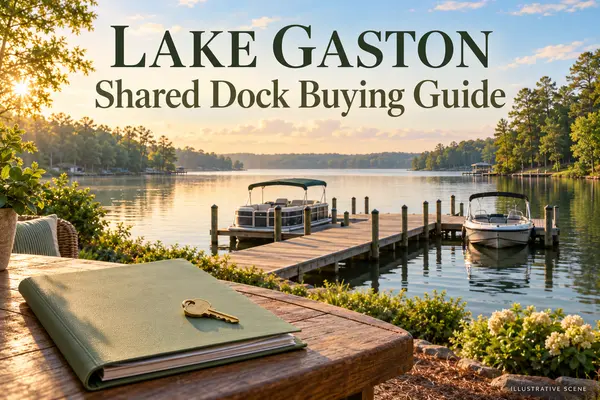 A Lake Gaston home with a shared dock can be a good fit when the access, boat space, maintenance obligations, and documents match how you plan to use the property. Before buying, establish exactly what comes with the home and who can confirm those rights. A dock visible from the backyard does not an
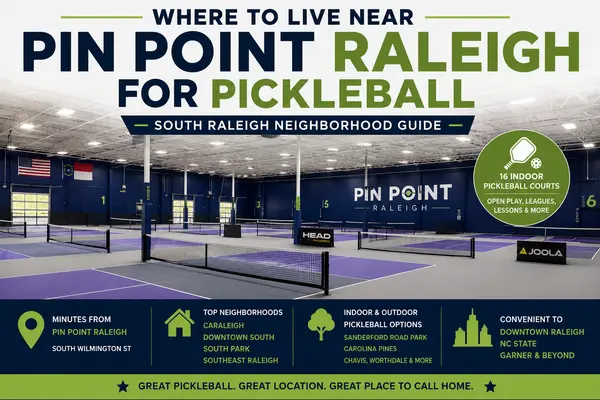 If indoor pickleball is important to you and you're thinking about moving to Raleigh, Pin Point can completely change how you look at South Raleigh. I'm Conner Franck, a Raleigh Realtor and 3.5+ DUPR pickleball player. I normally play three to five times a week, and Pin Point is one of the three pla
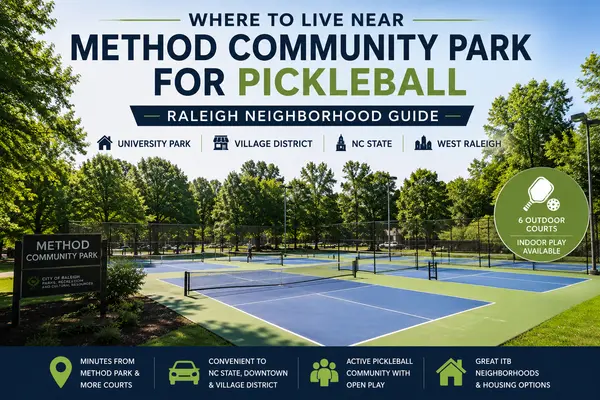 If Method Community Park is one of the places you plan to play pickleball regularly, you can live surprisingly close to the courts while still being in some of Raleigh's most central neighborhoods. I'm Conner Franck, a Raleigh Realtor and 3.5+ DUPR pickleball player. I normally play three to five ti
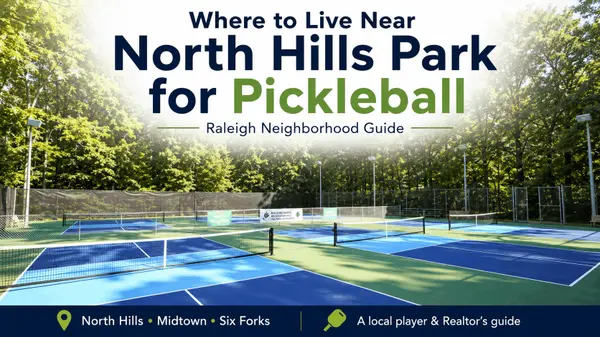 If North Hills Park is one of the places you plan to play pickleball regularly, you have a surprisingly large number of good Raleigh neighborhoods that can keep you within a short drive of the courts. I'm Conner Franck, a Raleigh Realtor and 3.5+ DUPR pickleball player. I play three to five times mo